
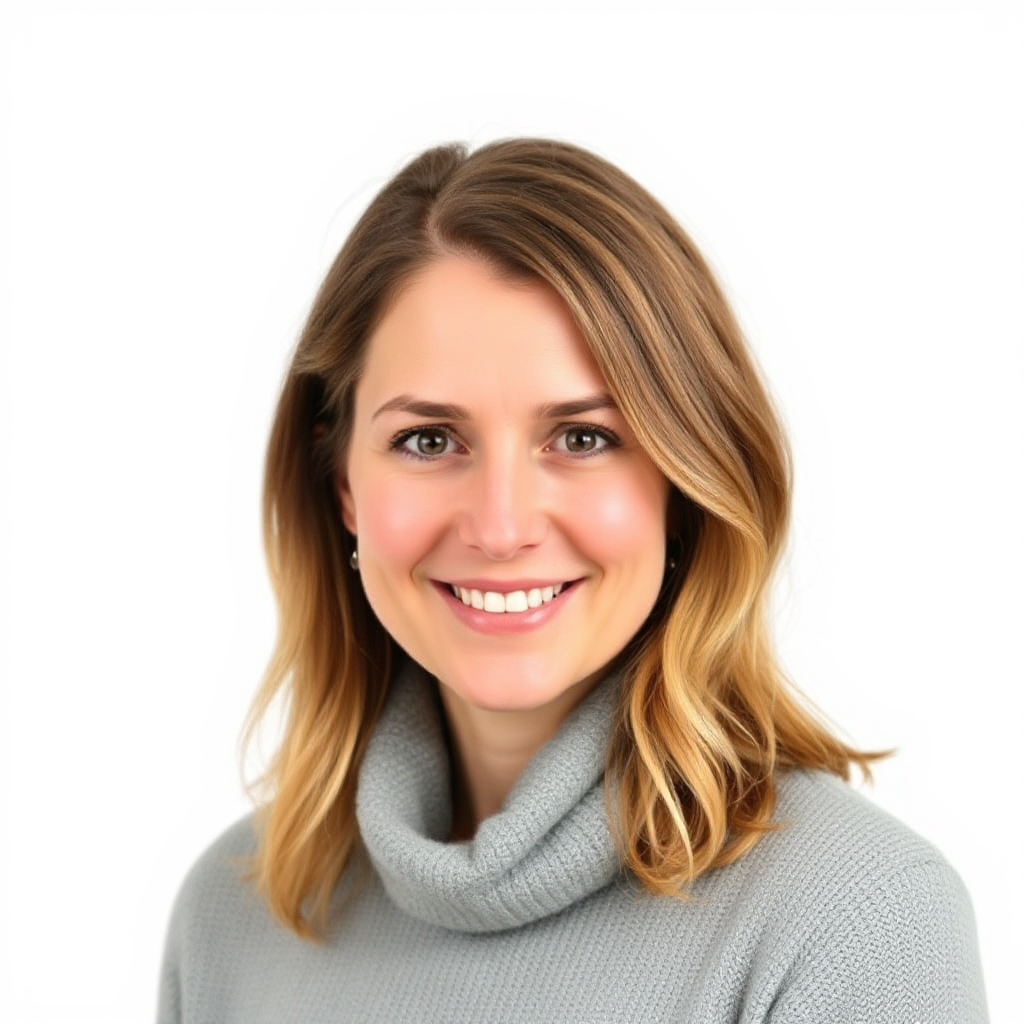

Previous Google boss Matt Brittin confirmed as the BBC's incoming director general.
The ex-president of Google's EMEA division will succeed Tim Davie, who announced his resignation in November in the wake of a controversy over how a current affairs show edited a speech by US President Donald Trump.
The corporation's chairman Samir Shah stated that Brittin, who departed from Google in 2025 after 18 years, "brings to the BBC extensive expertise of guiding a high-profile and complex institution during a period of change".
Brittin, 57 said he "is excited to commence this work", describing it as "a time of real challenge, yet also significant potential".
He noted that the UK needs "a robust BBC that works for everyone in a turbulent, unpredictable and quickly shifting world".
Detailing his vision, he continued: "The corporation must have the momentum and drive to be both at the heart of news, and engaging with the public. To strengthen the reach, reputation and creative strengths today, tackle difficulties with courage, and succeed as a public service fit for the future."
'Major Reform'
Shah described the new appointee "a remarkable leader" with "the capabilities required to navigate the corporation through the numerous shifts happening in the industry and in viewer and listener habits".
The chairman also commended Brittin's "enthusiasm for the BBC, his comprehension of the issues confronting the organisation, his allegiance to its independence and his determination to maintain the BBC's standing as one of the UK's most important public institutions".
The new chief joins at "a pivotal time", as the government assesses the BBC's governing charter, Shah stated.
"Undoubtedly there is a requirement for sweeping transformation of the BBC, its financial structure and the structure in which it works. The stakes for the BBC, and the prospects of the PSB model, have never been higher."

The BBC's top job is regarded to be one of the toughest in the UK's broadcasting.
During his tenure as the broadcaster's 17th director general, he was faced with managing a succession of controversies and difficult periods at the corporation.
Brittin's key tasks will involve addressing a high-value libel legal case brought by the US president against the BBC.
The former president is objecting to the way the documentary edited together two parts of a address he gave on January 6th, for which the BBC has expressed regret.
The previous week the organisation asked a legal body to reject the claim, arguing the controversial programme did not transmit in the US.
BBC at a Critical Juncture
The incoming chief arrives at a pivotal period for the BBC in several areas, too.
He will proceed with negotiations with the UK government on the corporation's remit and the future of the licence fee and public service budget.
The present agreement, which outlines the conditions and purposes of the BBC's operation, will come to an end in the coming years.
Brittin's selection also arrives at a time when the BBC is battling with large technology firms in the online content landscape.
The search engine's corporate entity operates YouTube, with which the BBC recently disclosed a significant partnership to create specially created programmes.
Corporate Background a Asset?
A number of people within Google "speak highly" about him, as an inspirational boss and a great collaborator".
Several have queried the BBC's decision to hire someone with a background in technology rather than editorial or traditional content expertise.
However, it is believed that "the board selected him by the BBC Board for his first-hand experience of big tech. There's an anticipation he will accelerate the move to online, for example in news. He'll also almost certainly prioritise revamping and innovating BBC iPlayer."
Ex- senior BBC journalist Peter Barron, who collaborated with Brittin at Google, remarked he is "deeply inspired by a feeling of public service".
"He is passionate about the BBC for its reliable journalism and its originality, but he's also very conscious of its history as a innovation pioneer.
"He wants the BBC to prosper in a environment where several of its greatest difficulties are connected to tech, whether that's the power of the digital platforms, digital misinformation, or simply how people prefer to watch media.
"In light of his background and relationships throughout the digital world, and also the relationships he's forged with media companies, the press, oversight bodies and authorities, I think he's very well placed to tackle the tasks."
Who is Matt Brittin?

Born in southern England, he earned a qualification from the University of Cambridge, while also participating in rowing for them in the university boat race on three occasions.
He also rowed for Team GB and won|secured|earned


